

Colorado's mountain communities attract visitors from around the world, but spending time at higher elevations can be an adjustment, particularly for people with certain heart or lung conditions or those who already use supplemental oxygen.
At higher elevations, atmospheric pressure is lower. This means the air still contains about 21% oxygen, but there is less oxygen available with each breath. Your body responds by breathing faster and making other adjustments as it acclimatizes.
For people who have been prescribed supplemental oxygen, altitude can sometimes affect their oxygen needs. If you are planning to travel to or live at high altitude, talk with your healthcare provider about whether you need oxygen and how you should use it.
.jpg)
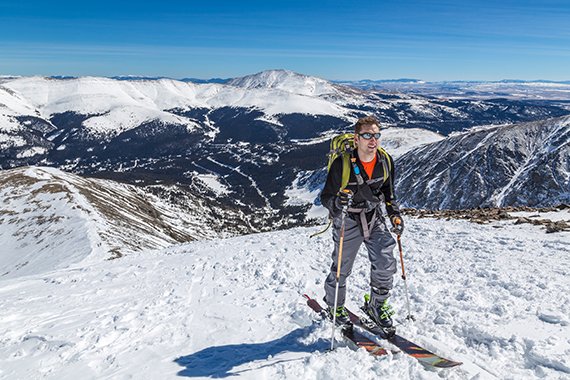
How Does Altitude Affect Oxygen?
As elevation increases, atmospheric pressure decreases. This reduces the partial pressure of oxygen in the air you breathe.
For healthy people, the body usually compensates for this change through acclimatization. The process can take several days, which is one reason visitors may feel different when they first arrive in Colorado's high country.
At around 8,000 feet and above, altitude illness becomes a concern for some people who are not acclimatized. Colorado communities such as Breckenridge, Vail, and other mountain destinations are high enough that visitors should be aware of the effects of elevation.
People with underlying lung or heart conditions may need additional planning before traveling to high altitude.
Who Needs Supplemental Oxygen at High Altitude?
Supplemental oxygen is not necessary for everyone who visits Colorado or spends time at high altitude. Your healthcare provider may recommend supplemental oxygen if you have a medical condition that affects your ability to maintain adequate oxygen levels. This can include certain chronic lung conditions, heart conditions, or other conditions associated with low blood oxygen.
If you already use prescribed oxygen, your oxygen needs may change when you travel to a significantly higher elevation. Talk with your healthcare provider before your trip rather than changing your oxygen flow rate on your own.
People with chronic lung or heart conditions should discuss high-altitude travel with a healthcare provider who understands their medical history and oxygen needs.
Oxygen Therapy and Altitude Illness
Supplemental oxygen can be used as part of the treatment for altitude illness in some circumstances. However, oxygen is not a substitute for acclimatization or medical care.
If you develop symptoms such as headache, nausea, dizziness, or unusual fatigue after traveling to high altitude, do not continue ascending until you feel better. Worsening symptoms, severe shortness of breath, confusion, difficulty walking, or other serious symptoms require prompt medical attention.
Learn more about recognizing and responding to altitude illness.
Oxygen for Colorado Visitors
If you use prescribed oxygen, planning can make a Colorado trip easier. Before traveling:
- Talk with your healthcare provider about your plans and destination elevation.
- Make sure you have enough oxygen and supplies for your trip.
- Know how you will use your equipment during transportation, activities, and overnight stays.
- Bring information about your prescription and equipment.
- Have a plan in case your equipment is damaged, lost, or delayed.
- If flying, check your airline's requirements for portable oxygen concentrators.
If you prefer to arrange oxygen equipment after arriving in Colorado, local rental options may be available depending on your needs and destination. Check out: Traveling with Oxygen: Tips for Colorado Visitors or Renting Oxygen Equipment While Visiting Colorado.
Oxygen Therapy in Colorado's Mountain Communities
AlpinAire Healthcare provides medical-grade oxygen equipment and support for Colorado residents, second-home owners, and visitors. We serve mountain communities including Breckenridge, Keystone, Copper Mountain, Frisco, Vail, Beaver Creek, Avon, Leadville, and surrounding areas. Depending on your needs, we can help with oxygen equipment for a short-term visit, extended stay, or ongoing use. Contact Us ahead of your trip to discuss your equipment needs and availability.
Frequently Asked Questions
Does the air contain less oxygen at high altitude?
The percentage of oxygen in the air remains about 21% at high altitude. What changes is atmospheric pressure. Because the pressure is lower, there is less oxygen available with each breath.
Does everyone need oxygen at high altitude?
No. Most healthy people acclimatize to moderate elevations without supplemental oxygen. People with certain medical conditions or those who already use prescribed oxygen should talk with their healthcare provider before traveling to high altitude.
Can I change my oxygen flow rate when I arrive in Colorado?
No. Do not change your prescribed oxygen flow rate unless your healthcare provider tells you to do so. Your oxygen needs at altitude should be discussed with your healthcare provider before traveling.
Can supplemental oxygen prevent altitude sickness?
Supplemental oxygen may be used to treat altitude illness in certain situations, but it should not be considered a replacement for gradual acclimatization or appropriate medical care.
Do I need oxygen to visit Breckenridge or other Colorado mountain towns?
Not necessarily. Many visitors spend time at high altitude without supplemental oxygen. Whether you need oxygen depends on your health, your oxygen levels, your medical history, and your healthcare provider's recommendations.
Can I rent oxygen equipment for a Colorado vacation?
Yes, AlpinAire can provide oxygen equipment for a short-term stay. Visit Renting Oxygen Equipment While Visiting Colorado to learn more.