

Understanding Altitude Illness and AMS
Traveling to a higher elevation can take some time for your body to adjust. Colorado mountain communities such as Breckenridge, Vail, Beaver Creek, Keystone, Aspen, and Snowmass sit at elevations much higher than many visitors are accustomed to.
Altitude illness, including acute mountain sickness (AMS), can affect people who travel to elevations above about 8,000 feet, particularly when they ascend quickly. The risk depends on factors such as your starting elevation, how quickly you gain altitude, and how well your body acclimatizes.
At higher elevations, atmospheric pressure is lower, which means there is less oxygen available with each breath. Your body needs time to adjust to this change.
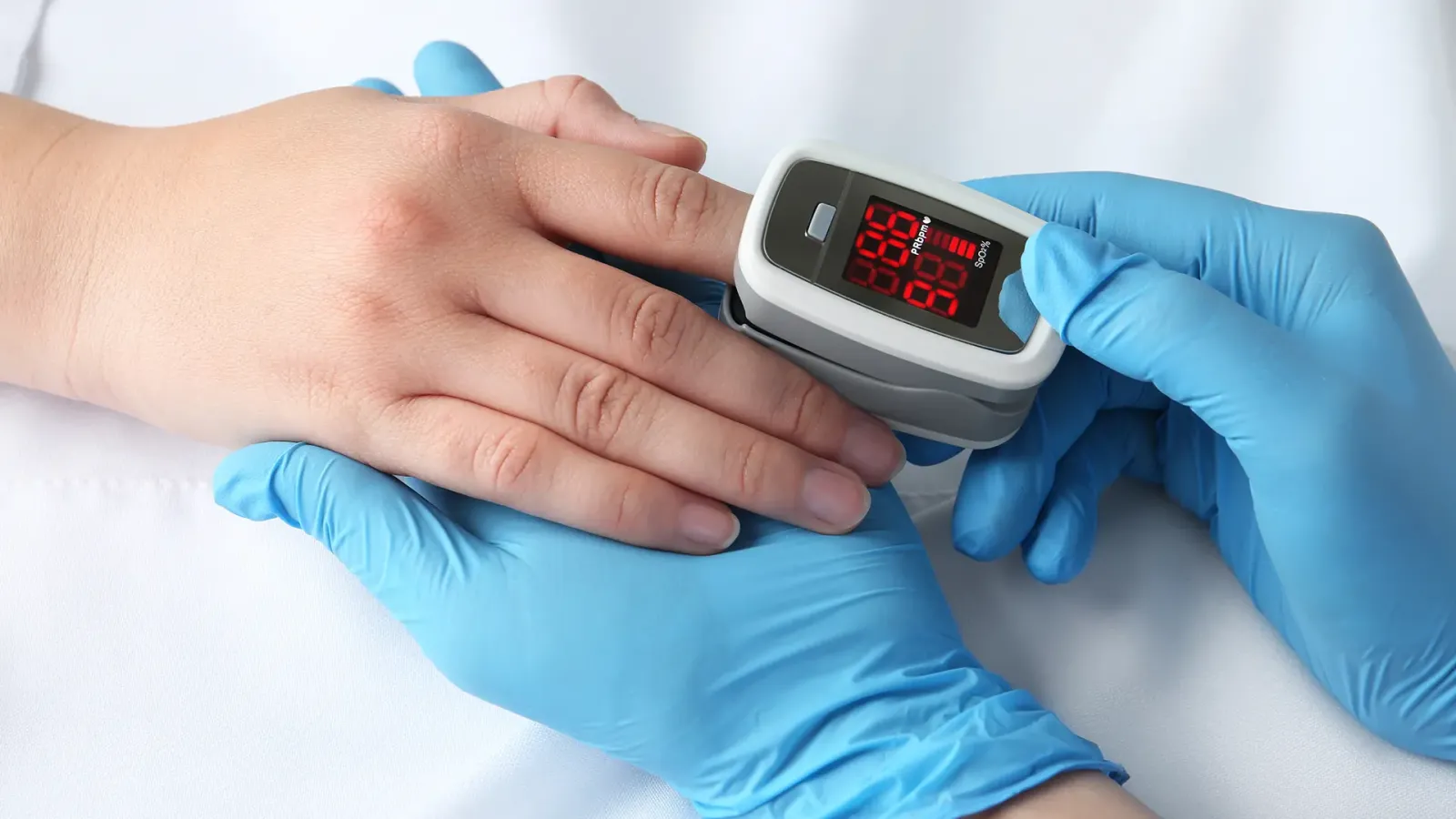
.webp)
Symptoms of Altitude Illness
Symptoms of acute mountain sickness can begin within several hours of arriving at a higher elevation or after traveling to an even higher altitude. Common symptoms include:
- Headache
- Fatigue or unusual tiredness
- Dizziness
- Nausea or loss of appetite
- Vomiting
- Trouble sleeping
Mild symptoms often improve as your body acclimatizes. If you develop symptoms, do not continue ascending to a higher sleeping elevation until you feel better. If symptoms become worse while you are resting at the same elevation, moving to a lower elevation may be necessary. Talk with a healthcare provider if you are concerned about your symptoms or have an underlying heart or lung condition.
How Can You Reduce Your Risk of Altitude Illness?
The best way to reduce your risk is to give your body time to acclimatize.
When traveling to high altitude:
- Ascend gradually when possible.
- Avoid going directly from a low elevation to a sleeping elevation above 9,000 feet in one day.
- Once above 9,000 feet, avoid increasing your sleeping elevation by more than about 1,600 feet per day.
- Plan additional time to acclimatize when traveling to significantly higher elevations.
- Take it easy during your first day or two at altitude.
- Talk with your healthcare provider before traveling if you have a heart or lung condition or have previously experienced altitude illness.
Colorado destinations such as Breckenridge and other mountain communities can be high enough for altitude illness to be a concern, particularly for visitors arriving from much lower elevations.

When Is Altitude Illness an Emergency?
Most cases of AMS are mild, but altitude illness can become serious. Seek emergency medical care if you or someone traveling with you develops severe shortness of breath, difficulty breathing at rest, confusion, unusual drowsiness, loss of coordination, inability to walk normally, or a worsening cough.
High-altitude cerebral edema (HACE) and high-altitude pulmonary edema (HAPE) are serious forms of altitude illness that require immediate medical attention. Descent to a lower elevation is an important part of emergency treatment, along with medical care and supplemental oxygen when appropriate. If someone is seriously ill at high altitude, do not rely on an oxygen supplier as a substitute for emergency medical care.
Supplemental Oxygen and Altitude Illness
Supplemental oxygen may be used in certain situations to help improve oxygenation at high altitude. However, oxygen is not appropriate for everyone experiencing a headache, fatigue, or other symptoms after arriving in Colorado. If you use prescribed supplemental oxygen, continue using it as directed by your healthcare provider. Do not change your oxygen flow rate on your own.
People with chronic lung or heart conditions, pre-existing low blood oxygen levels, or other medical conditions should talk with their healthcare provider before traveling to high altitude. Your provider can help determine whether you need supplemental oxygen and what your oxygen needs may be while traveling.
AlpinAire Healthcare provides medical-grade oxygen equipment and support for Colorado residents, second-home owners, and visitors. If you have an oxygen prescription and are planning a stay in the Colorado mountains, contact us ahead of your trip to discuss equipment availability and rental options.
Planning a Trip to Colorado?
If you use supplemental oxygen or have a medical condition that may be affected by high altitude, planning can make your trip easier. Learn more about Traveling with Oxygen Tips for Colorado Visitors and Renting Oxygen Equipment While Visiting Colorado, or Contact Us with questions about oxygen equipment and availability.